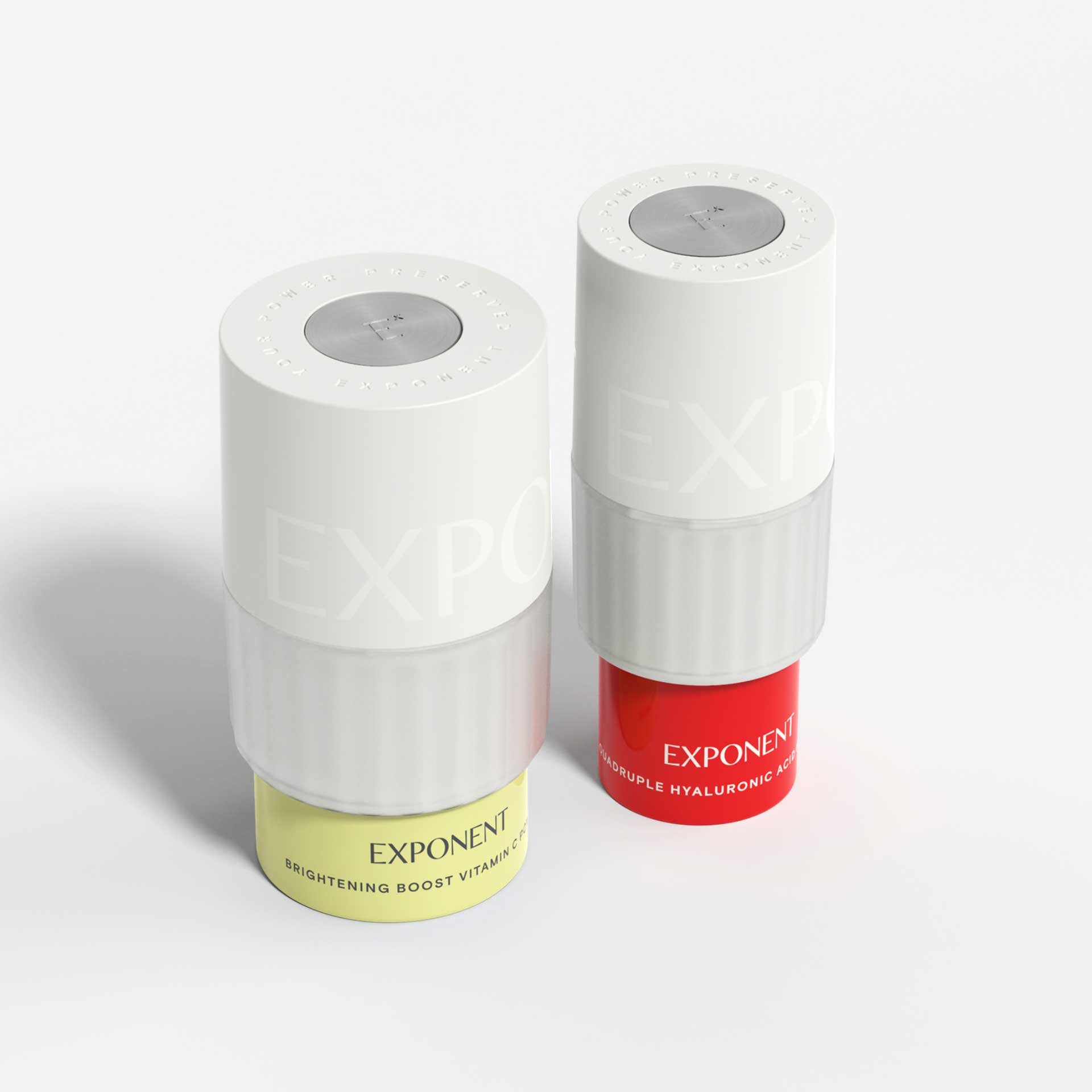
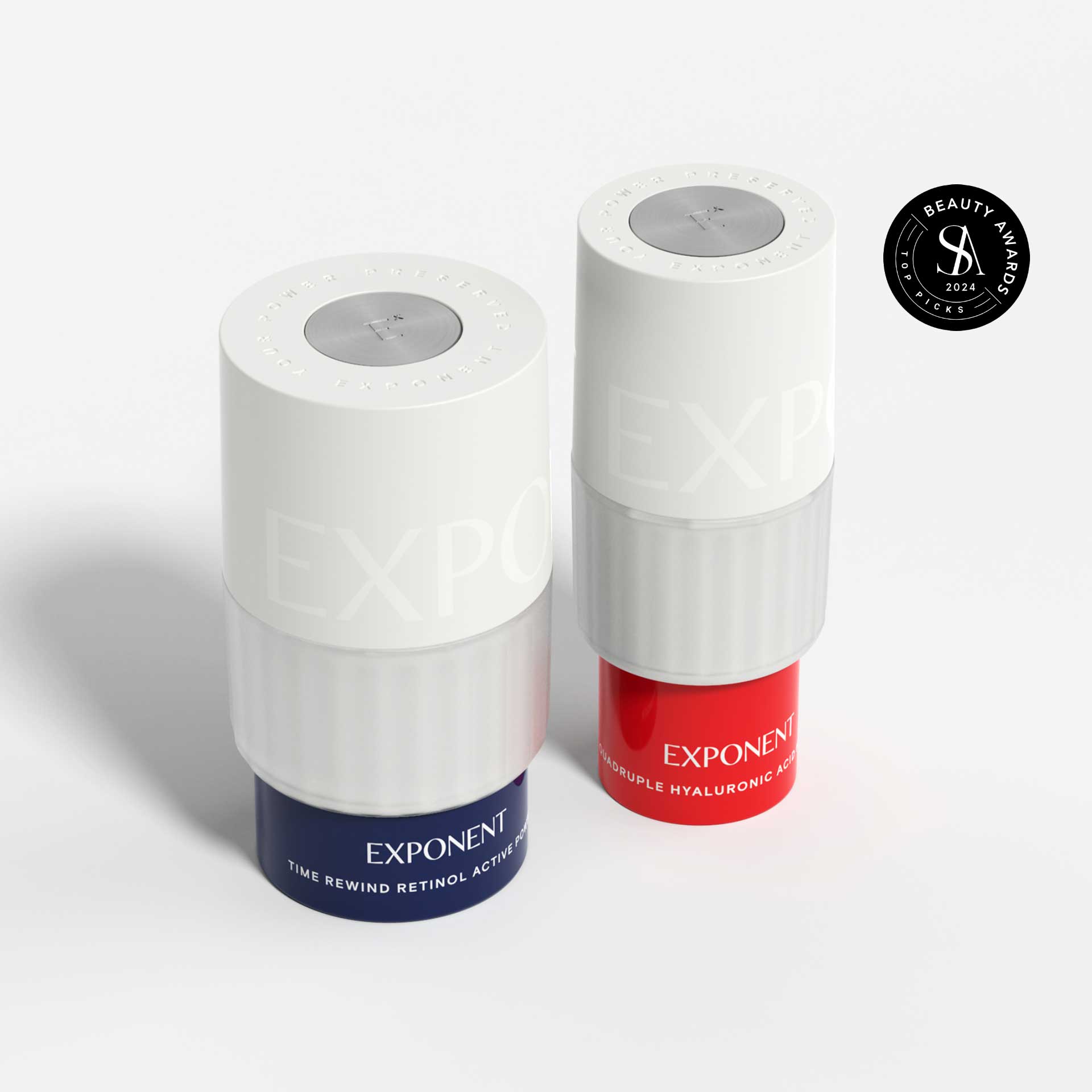
In skincare, the more you know, the more you realize you don't know. You've gathered all your essentials, the retinol to correct aging signs, vitamin C to stay protected against free radicals, the SPF to offset photoaging, and the hyaluronic acid to keep your skin plump. But hold on a bit. What is the correct order of layering skincare ingredients and products? It's a confusing spot to be in, but we're here to teach you everything about layering your skincare favorites so you get top-tier results from your beauty regimen. If you don't layer properly you may be hindering the product absorption and missing out on some key benefits. Let's make sure that doesn't happen.
What is the Correct Order of Layering Skincare Products?
Chances are your skincare repertoire has at least four steps, so assessing where everything fits in your routine can be daunting. Applying them in the correct order is the way to receive full benefits of each product.
The rule of thumb is to layer from thin to thick consistencies, and typically, the highest percentage of actives should be applied first for optimal impact. The correct order of layering skincare products is generally from lightweight, water-based formulas to oil-based and thick products and from low to high pH. But there are also exceptions, so you should always consult the instructions of the product at hand and layer it accordingly.
Here is the order of applying skincare products:
|
Step |
Product Type |
Timing |
Example (Exponent) |
|
1 |
Cleanser |
AM + PM |
— |
|
2 |
Toner / essence |
AM + PM |
— |
|
3 |
Vitamin C serum |
AM only |
|
|
4 |
Retinol |
PM only |
|
|
5 |
Hyaluronic acid / moisturizer |
AM + PM |
|
|
6 |
SPF |
AM only |
— |
Note: Vitamin C in AM, retinol in PM. Never apply both at the same time.
Best Practices for Applying Moisturizer
Because the role of moisturizer is to keep skin soft and prevent water evaporation while adding extra benefits, you should apply it twice daily. A light moisturizer is better for daytime, while at night a heavier one is best as it works in tandem with the natural skin's repairing process. Moisturizers are filled with thickening agents, and they only get past the very top layer of the skin which means they trap moisture in.
The moisturizer always goes on cleansed skin on top of water-based serums or treatments. If you're also planning to add face oil to your routine, remember that oil goes after moisturizer due to its thick consistency and ability to act as a sealant.
In your daily AM routine, after moisturizing, you should apply sunscreen. Even if your moisturizer contains SPF, you still need sunscreen. This is because the level of protection of a moisturizer with SPF is inferior to sunscreen; you would have to apply a lot of moisturizer to get the same sun protection as sunscreen.[1]
Best Practices for Applying Serum
The serum is an essential step of any routine because it is a more potent treatment for skin concerns due to its high concentration of actives. Due to their lightweight textures and small molecules, serums sink deep into the pores to benefit the skin.
You should apply the serum after you have washed your face and after toner if you use one. It helps if your skin is damp when layering the serum as that increases absorption and leads to better benefits. Apply a protecting serum in your morning routine and a repairing one in your nighttime routine. Give your serum 5 minutes top to seep into the pores before following with moisturizer.
When to Apply: Vitamin C Serum
Vitamin C serum rarely misses from skincare enthusiasts' routines, but not everybody knows when or how often to apply vitamin C serum. You can use it daily in both skincare regimens, and as with any water-based serum, you should layer it after cleansing (and toning) and pre-moisturizer. Be sure to use a water-based SPF if your serum has l-ascorbic acid, as it is a water loving molecule and does not always play nice with oils or oil based mineral SPFs.
When to Apply: Retinol
Do you apply retinol before or after moisturizer? Apply retinol before
moisturizer on dry skin, then wait 10-15 minutes before applying your moisturizer on top.
Not knowing when to apply retinol can have unpleasant consequences. That is because retinol is an ingredient that breaks down easily in sunlight and also makes the skin photosensitive, so using retinol during the day is a no-no. You should always apply retinol at night, after cleansing, and before your nighttime moisturizer. Five minutes is enough to wait for your retinol to sink in before applying moisturizer; you want to layer them, not mix them.
If you're wondering how often to apply retinol, here's the gist: it depends on your skin type and the concentration of retinol. The rule is to start low and slow with retinol, apply it one night per week, then slowly increase frequency to twice, then thrice weekly if your skin seems to become trained. You may have heard about the sandwich method of layering retinol, where you apply moisturizer, then retinol, and follow with moisturizer again. This approach is more likely to save you from the irritation that's often experienced by first time retinol users.
Can you use retinol and vitamin C together? Yes, but not at the same time. Use vitamin C serum in the morning and retinol at night.
When to Apply: Hyaluronic Acid
Does retinol go before or after hyaluronic acid? Apply retinol first on
clean, dry skin. Apply hyaluronic acid after retinol to lock in moisture and reduce potential
irritation.
Hyaluronic acid is the pillar of hydration, but many don't know when to use hyaluronic acid serum in routine for bouncy and plump skin. Ideally, hyaluronic acid serum should be applied daily, in the morning and night, after washing your face and post toner or mist.
How to apply hyaluronic acid serum? On damp skin, always. If humidity levels are below 70% and your skin is dry, hyaluronic acid can dehydrate the skin as it attracts moisture from the inner skin layers, leaving you with parched skin in the long run.[2] "But if your skin is dry, it pulls any residual moisture from the deeper layers of skin to hydrate the surface. In that case, you need to apply it to moist skin — which is why you should mist first and then apply a hyaluronic acid treatment afterwards. Once hyaluronic acid comes into contact with water, it knows what it's doing, and your skin will end up supremely hydrated and plumped," Allies of Skin founder Nicolas Travis says.[3]
When to Apply: Niacinamide Serum
As a gentle and versatile ingredient, niacinamide can be applied twice a day for the pinnacle of antioxidant protection, brightening, and hydration. Since most niacinamide serums are water-based, they should be used after cleansing, toning, and before moisturizers and oils. Spread 2-4 drops of serum on your face and layer it by tapping until it is fully absorbed, then trap it with a moisturizer and SPF during the day.
Which Beauty Product Comes First?
It might now be clear how to layer based on type of product, but what about the ingredients? We want you to get the most out of your routine, so continue reading below for even more insight.
What Goes First: Niacinamide and Vitamin C?
Vitamin C goes first because it's notoriously unstable and trapping it with niacinamide helps avoid its degradation in sunlight. Also, vitamin C should be formulated at a low pH in order to work effectively, while niacinamide works better at a neutral pH, and the rule is that acidic pH products go first, followed by neutral pH formulas. Layering vitamin C and niacinamide is the perfect recipe for bright and bouncy skin.
What Goes First: Vitamin C or Hyaluronic Acid?
Vitamin C goes first so that hyaluronic acid helps preserve its stability. Also, since vitamin C is formulated at a lower pH, it needs to be applied before higher pH, and usually, hyaluronic acid is created at neutral pH. This is the case for serums; however, if one of the ingredients is in a moisturizer, the serum goes beneath the moisturizer.
What Goes First: Retinol or Hyaluronic Acid
Hyaluronic acid should be layered before retinol in case of dry or sensitive skin, as it helps create a barrier between retinol and your skin, offsetting irritation. Must-mention: let your hyaluronic acid serum dry before following with retinol as, if applied to damp skin, there's a higher risk of redness and dryness. Nevertheless, if your skin is already used to retinol, it is okay to apply your retinol serum first, then pat on your hyaluronic acid serum.
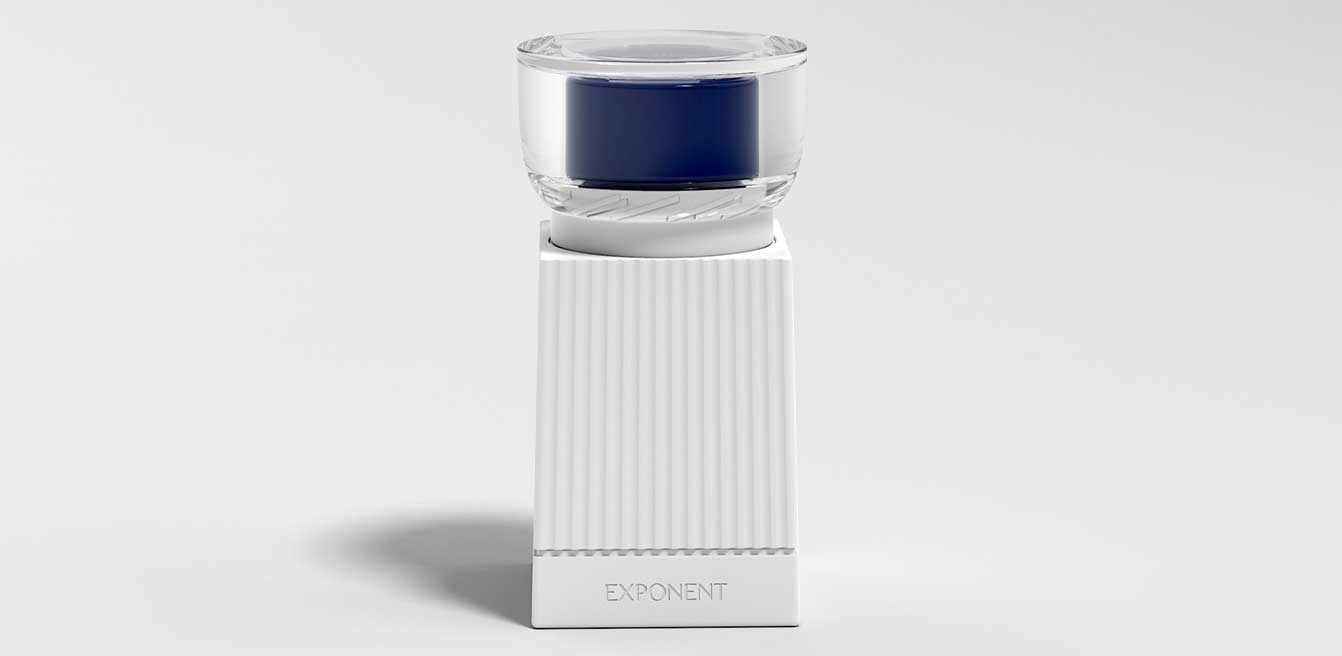 |
| SHOP NOW: Exponent Beauty Time Rewind Retinol |
What Goes First: Retinol or Hydroquinone
Retinol should be applied first, followed by hydroquinone in your nighttime regimen. As both are potent ingredients, you should wait 30 minutes so you give your skin's pH the time to rebalance before following with hydroquinone gel or cream. If your skin is easily reactive, you shouldn't layer retinol with hydroquinone and instead use them on alternative nights.
What Goes First: Hydroquinone or Vitamin C
Vitamin C goes first, followed by hydroquinone if the former is in serum and the latter in a moisturizer. It's important to let your skin dry after using vitamin C serum and before hydroquinone cream. You can layer hydroquinone and vitamin C in the morning, but it's vital to trap them with sunscreen with at least 30 SPF.
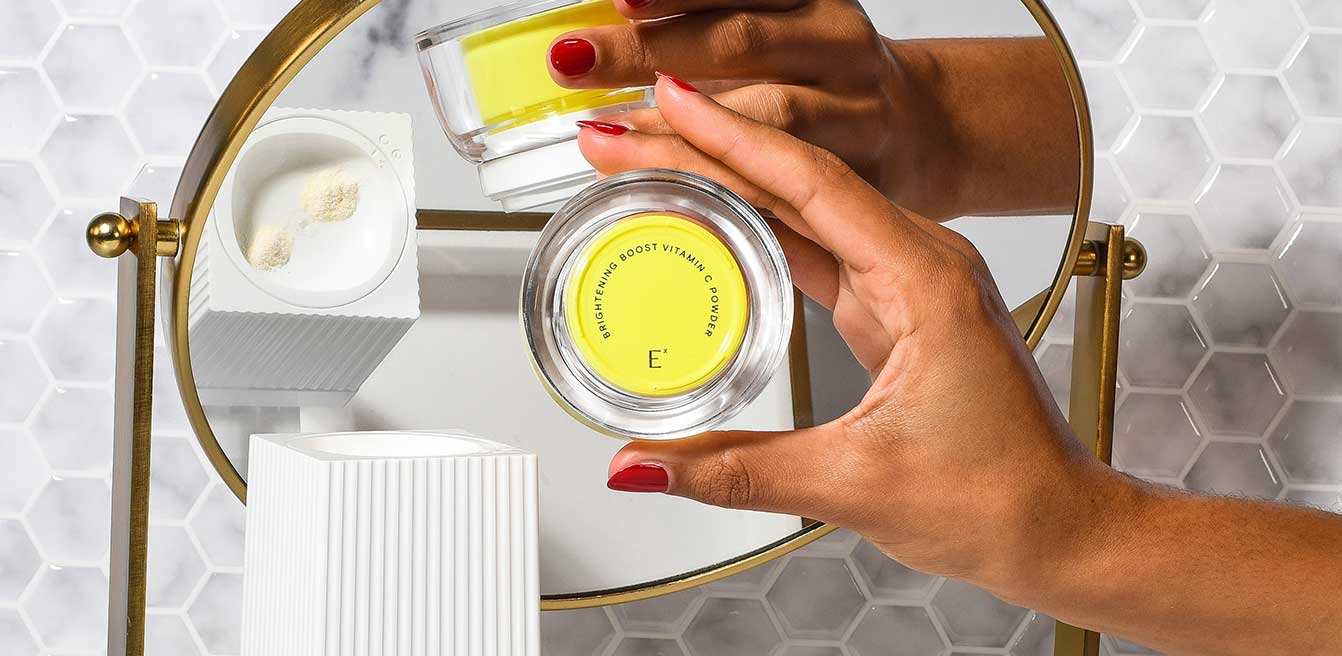 |
| SHOP NOW: Exponent Beauty Brightening Boost Vitamin C |
Build Out Your Skincare Routine with Exponent Beauty Today
 |
| SHOP NOW: Exponent Beauty Bestsellers Discovery Set |
At Exponent, our mission is to set a new standard for effective skincare so you can cut through the clutter and choose products that actually work. We offer two ways to build your routine. Our Power Serums are handheld, travel-friendly single serums — ideal for targeting one concern with clinical precision, wherever you are. Our Pro System is a precision-dosing performance piece: each serum pairs an Active Ingredient Powder preserved at peak potency with a Hyaluronic Acid Hydrator, mixed fresh at the moment of use. With 45 doses of powder and 90 doses of HA, the Pro System lets you build a layered routine of up to five different serums — all in one sleek kit.
To get even more from your skincare routine, you can now pair them together using what you've just learned. For skin discoloration and fine lines and wrinkles, use our Brightening Boost Vitamin C Serum in the morning and Time Rewind Retinol Serum at night. If sensitive skin is what you're struggling with, pair our Calm Revival Green Tea Resveratrol Serum with the Firming Filter CoQ10 Serum. Or, if you want to prevent dry, flaky skin, the Clear Comeback Probiotic Enzyme Serum stands out.
Frequently Asked Questions
Can I use vitamin C serum and retinol on the same night?
It's best to avoid using vitamin C serum and retinol on the same night. Vitamin C works at a low, acidic pH while retinol performs best at a neutral pH — layering them together can compromise the efficacy of both ingredients and increase the risk of irritation. The smarter approach: use your vitamin C serum every morning (it doubles as antioxidant protection against UV damage) and reserve retinol for your nighttime routine. This AM/PM split lets each ingredient work at its full strength.
What order do you apply serums?
Apply serums from thinnest to thickest consistency, and from lowest to highest pH. In a typical morning routine, that means starting with your vitamin C serum first (low pH, lightweight), followed by a niacinamide or hydrating serum, and finishing with a richer treatment if needed before moisturizer. At night, if you use retinol, apply it after any lightweight serums and before moisturizer. As a general rule, give each serum 30-60 seconds to partially absorb before layering the next one.
Should I moisturize before or after vitamin C serum?
Always apply vitamin C serum before moisturizer. Serums are formulated with small molecules that need direct contact with skin to penetrate effectively — applying moisturizer first creates a barrier that prevents absorption. After cleansing (and toning if you use one), apply your vitamin C serum to clean skin, wait a minute for it to sink in, then layer your moisturizer on top to seal in the actives and prevent moisture loss. Follow with SPF in the morning.
Can you use hyaluronic acid with retinol and vitamin C?
Yes — hyaluronic acid pairs well with both retinol and vitamin C, and it's one of the best supporting ingredients in an active-heavy routine. In the morning, apply vitamin C serum first, then follow with hyaluronic acid to help preserve vitamin C's stability and boost hydration. At night, use retinol first, then apply hyaluronic acid on top to lock in moisture and buffer against retinol-related dryness. Always apply hyaluronic acid to damp skin for maximum hydration.
How long should you wait between applying skincare layers?
The general rule is 30-60 seconds between lightweight layers (like toner to serum) and up to 5-10 minutes between more active steps. Give vitamin C serum at least 60 seconds to absorb before applying the next step. After applying retinol, wait 10-15 minutes before moisturizing to let it fully absorb into dry skin and minimize the risk of dilution or irritation. For hyaluronic acid, apply while skin is still slightly damp and follow with moisturizer right away to seal it in. When layering two strong actives like retinol and hydroquinone, wait at least 30 minutes between applications.
Footnotes
- Lourenco EAJ, Shaw L, Pratt H, Duffy GL, Czanner G, Zheng Y, Hamill KJ, McCormick AG. Application of SPF moisturisers is inferior to sunscreens in coverage of facial and eyelid regions. PLoS One. 2019 Apr 3 Source
- Anne Harwood, Ali Nassereddin, Karthik Krishnamurthy, June 2, 2021, Moisturizers Source
- Refinery29, There's A Right & A Wrong Way To Use Hyaluronic Acid Source
Updated: 05/11/2026