Vitamin C serum boosts sun protection by up to 4x when applied under SPF. It works by neutralizing free radicals generated by UV exposure that sunscreen alone cannot block. Apply Vitamin C in the morning, then apply SPF on top—never after, as UV exposure degrades Vitamin C within minutes.
While broad-spectrum sunscreen remains your first line of defense, vitamin C is the evidence-backed upgrade that makes it work harder. Beyond its well-known brightening and dark spot benefits, this antioxidant actively intercepts UV-induced free radicals at the cellular level—damage that SPF alone can't fully prevent. Here's exactly how to use the two together, and why it matters for long-term skin health.
What Causes Sun Damage and Premature Aging?
When harmful UV rays hit your skin, they trigger a cascade of cellular damage that leads to premature aging, wrinkles, and dark spots. The primary culprit? Free radicals—unstable molecules that wreak havoc on your skin cells, breaking down collagen, causing inflammation, and accelerating the aging process. UV light triggers the rapid generation and accumulation of reactive oxygen species (ROS) in skin cells, which may result in photoaging and sun damage.[1]
This is where vitamin C serum enters the picture as your skin's natural bodyguard against environmental damage.
How Vitamin C Serum Fights UV Damage and Prevents Aging
Vitamin C serum, scientifically known as L-ascorbic acid, is a powerful antioxidant that neutralizes free radicals before they can damage your skin cells. Vitamin C functions as a biological co-factor and antioxidant due to its reducing properties, making it uniquely equipped to combat UV-induced oxidative stress and prevent signs of aging.
When applied topically in your morning skincare routine, vitamin C serum provides several protective benefits:
Neutralizes Free Radicals: Vitamin C, a potent antioxidant, has been shown to prevent erythema and sunburn cell formation after UV exposure.[2] By scavenging free radicals, it prevents the chain reaction of cellular damage that leads to premature aging, fine lines, and wrinkles.
Reduces Inflammation and Redness: UV exposure often triggers inflammatory responses in the skin. Vitamin C serum helps calm this inflammation, reducing redness and preventing long-term damage that can lead to hyperpigmentation.
Supports Collagen Production: Vitamin C can also up-regulate collagen and TIMP synthesis in human skin,[3] helping maintain skin structure, firmness, and repair UV-induced damage that causes sagging and loss of elasticity.
The Best Skincare Combination: Vitamin C Serum + Sunscreen for Maximum Protection
Here's where things get exciting: vitamin C serum doesn't replace sunscreen—it amplifies your sun protection routine for maximum anti-aging benefits. Research shows that vitamin C is capable of additive protection against acute UVB damage when combined with a UVB sunscreen.[4] Think of broad-spectrum sunscreen as your shield and vitamin C serum as your backup defense system against environmental damage.
| Aspect | Vitamin C Alone | SPF Alone | Vitamin C + SPF | Notes / Study Insights |
|---|---|---|---|---|
| UV Protection Mechanism | Antioxidant: Neutralizes free radicals | Physical/chemical UV filter (blocks/absorbs rays) | SPF blocks rays + Vitamin C neutralizes residual oxidative stress | Complementary mechanisms |
| Protection vs. UVB / Erythema / Sunburn | Modest reduction (~40% fewer sunburn cells in models) | Strong, dose-dependent protection based on SPF rating | Additive or synergistic protection; significantly better than either alone | Darr et al. 1996; Lin et al. 2003 |
| Protection vs. UVA / Phototoxic Damage | Good antioxidant protection | Depends on broad-spectrum formulation | Greater-than-additive protection | Darr et al. 1996 |
| DNA Damage Reduction | Some reduction via antioxidant effects | Strong reduction by blocking UV | Enhanced reduction | Lin et al. 2003 (C+E) |
| Photoaging Prevention | Helps with collagen support & brightening | Primary prevention by blocking UV | Best overall (prevention + repair support) | Combination recommended in dermatological reviews |
| Limitations | No true SPF value; not a sunscreen | Does not neutralize all post-UV free radicals | Requires proper order & formulation | Vitamin C is not a sunscreen replacement |
When combined with daily sunscreen application, vitamin C serum creates a powerful barrier against harmful UV rays, mitigating photoaging and aiding in the repair of sun-damaged skin. This combination approach provides comprehensive protection that neither skincare ingredient can achieve alone, making it essential for any anti-aging skincare routine.
Best Antioxidant Combinations for Anti-Aging Skincare
Research shows that vitamin C serum works even better when paired with other antioxidants in your daily skincare routine. A topical antioxidant solution containing vitamins C and E stabilized by ferulic acid provides protection for human skin against damage caused by ultraviolet irradiation.[5]
The most studied antioxidant combinations for anti-aging include:
Vitamin C + Vitamin E Serum: Studies show that vitamin C and vitamin E synergistically limit chronic UV damage by significantly reducing both cell apoptosis and thymine dimer formation.[6] These vitamins work together to provide enhanced protection against free radical damage and premature aging.
The Triple Threat Anti-Aging Formula: A combination of 0.5% ferulic acid with 15% vitamin C and 1% vitamin E can increase the efficacy of vitamin C, creating one of the most potent antioxidant combinations for photoprotection and anti-aging benefits.[7]
What Percentage of Vitamin C is Best for Sun Protection?
Not all vitamin C serums are created equal when it comes to effective sun protection and anti-aging benefits. Topically applied vitamin C induced significant photoprotective effects at concentrations of at least 10% in animals and humans. Lower concentrations may provide some brightening benefits, but optimal protection against UV damage requires adequate potency for maximum anti-aging results.
Interestingly, a photoprotective effect has not been demonstrated by oral administration even at high doses in humans, emphasizing the importance of topical vitamin C serum application for UV protection and skincare benefits.
How to Use Vitamin C Serum in Your Daily Skincare Routine
To harness vitamin C serum's sun-protective and anti-aging benefits in your skincare routine:
Morning Skincare Application: Apply vitamin C serum in the morning before sunscreen as part of your daily anti-aging routine. Vitamin C products should be applied morning and night with broad-spectrum sunscreen for optimal protection against environmental damage.
Proper Layering Order: Apply skincare ingredients in order of consistency, from thinnest to thickest, starting with toners and serums and finishing with moisturizer and SPF. Your vitamin C serum should go on after cleansing but before moisturizer and sunscreen in your morning routine.
Consistency is Key for Anti-Aging Results: Daily use provides cumulative protection and maximum anti-aging benefits. This combination of antioxidant vitamins decreased the immunosuppressive effects of UV exposure, increased MED (minimal erythema dose), and decreased cell damage.
Vitamin C Benefits Beyond Sun Protection: Skin Repair and Anti-Aging
Vitamin C serum doesn't just prevent damage—it helps repair existing sun damage and provides comprehensive anti-aging benefits. Similar to vitamin C, its levels are rapidly depleted after UV exposure, which is why consistent replenishment through topical serum application is crucial for maintaining healthy, youthful-looking skin.
The vitamin also helps with post-sun recovery by reducing hyperpigmentation, dark spots, and supporting skin healing processes, making it an essential component of both prevention and treatment strategies for comprehensive anti-aging skincare.
The Bottom Line: Essential Anti-Aging Skincare for Sun Protection
While broad-spectrum sunscreen remains non-negotiable for UV protection, vitamin C serum serves as a powerful enhancer that boosts your skin's natural defense systems and provides essential anti-aging benefits. Vitamin C, topical retinoids, and sunscreen effectively prevent and combat the effects of photoaging with sunscreen being the most crucial product for daily use.
By incorporating a high-quality vitamin C serum (at least 10% concentration) into your morning skincare routine followed by broad-spectrum SPF 30+ sunscreen, you're not just preventing sun damage—you're actively fortifying your skin's ability to defend itself against UV assault while addressing signs of aging. This dynamic duo represents the gold standard in modern photoprotection and anti-aging skincare, combining immediate physical protection with cellular-level antioxidant defense.
Remember: consistency trumps perfection in any anti-aging skincare routine. Daily use of vitamin C serum and sunscreen will provide far greater benefits than sporadic application of even the most potent formulations. Your future self will thank you for this simple yet powerful addition to your sun protection and anti-aging arsenal.
Frequently Asked Questions
Does vitamin C serum protect from sun?
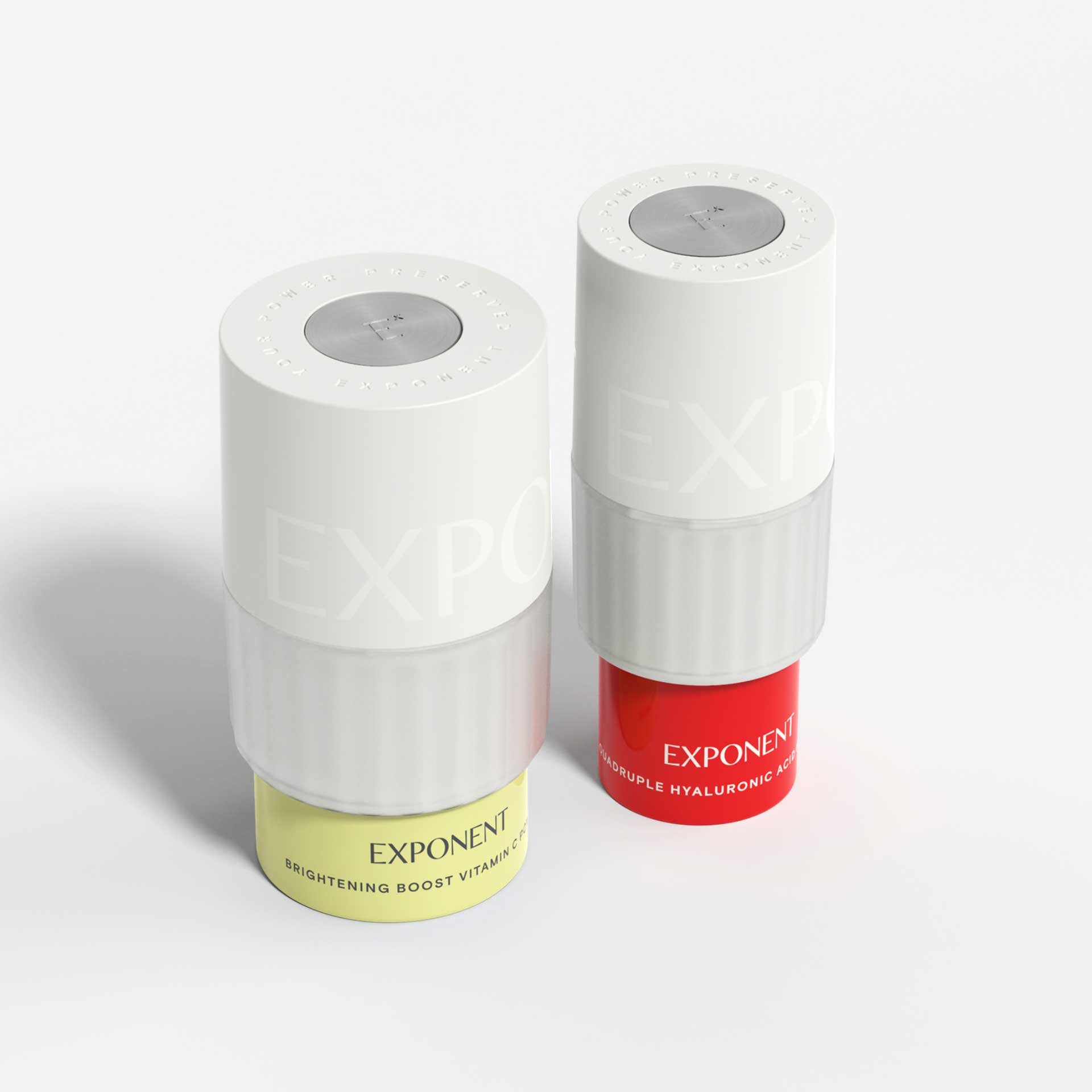
Vitamin C serum offers meaningful—but not standalone—protection against UV damage. As a potent antioxidant, it neutralizes the free radicals generated by UV exposure that sunscreen alone cannot intercept, reducing inflammation, preventing sunburn cell formation, and limiting long-term photoaging. Studies show it can boost SPF efficacy by up to 4x when layered underneath. For best results, use a high-potency formula like Exponent Beauty Brightening Boost, which delivers a stabilized, fresh-mixed dose of L-ascorbic acid every time.
Should you use vitamin C before or after sunscreen?
Always apply vitamin C serum before sunscreen. Vitamin C works at the cellular level, neutralizing UV-induced free radicals beneath the skin's surface—so it needs direct skin contact to be effective. Apply it after cleansing, let it absorb, then layer moisturizer and broad-spectrum SPF 30+ on top. Applying it over sunscreen blocks absorption and eliminates the antioxidant benefit entirely.
Can vitamin C replace sunscreen?
No. Vitamin C serum is a powerful complement to sunscreen, not a replacement. Sunscreen physically or chemically blocks UV rays from penetrating the skin—vitamin C cannot do this. What it does is intercept the oxidative damage that gets through despite SPF, making the two work better together than either does alone. Skipping sunscreen in favor of antioxidants alone leaves your skin unprotected against the full spectrum of UV damage.
Does sun exposure destroy vitamin C serum?
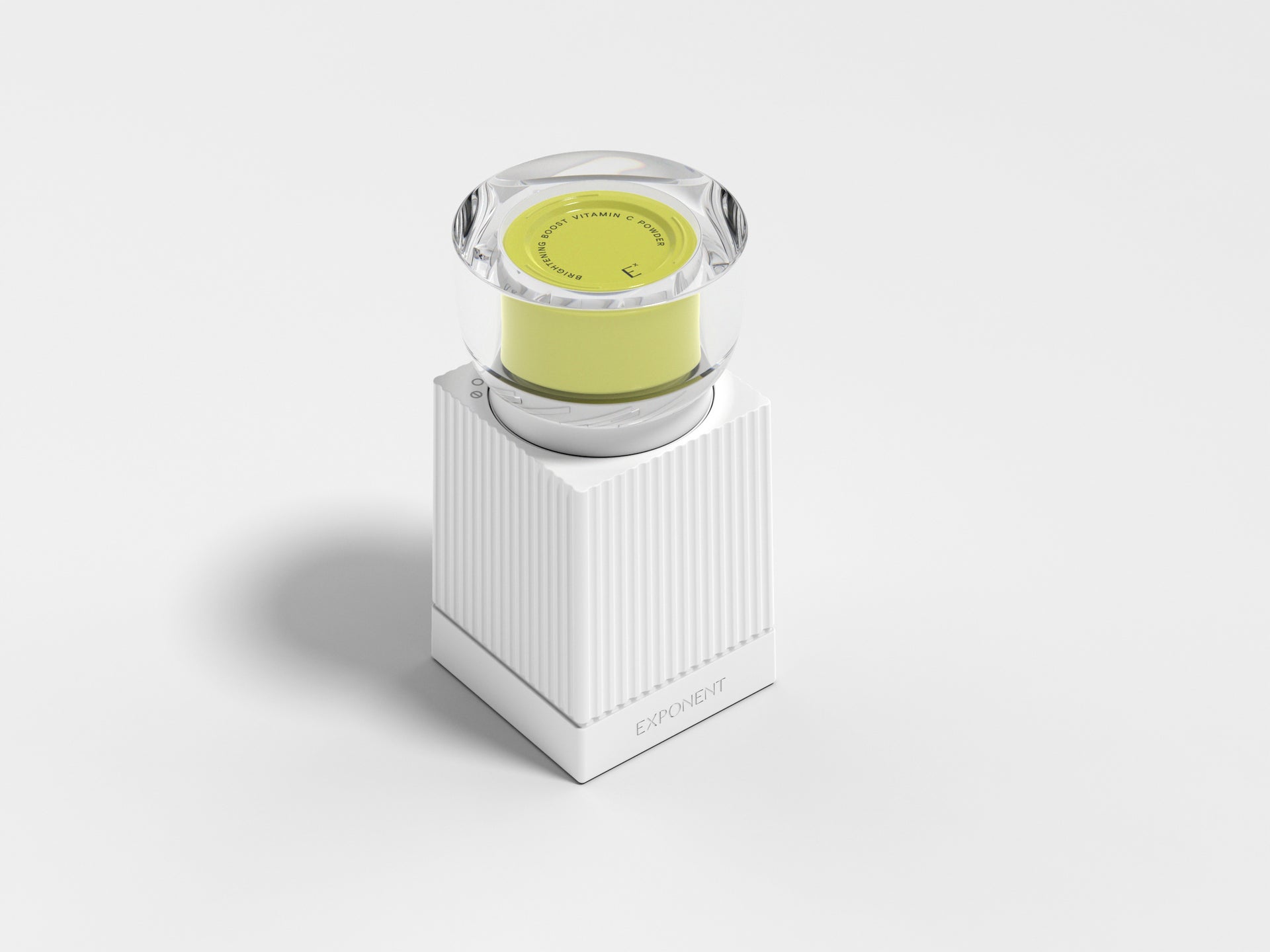
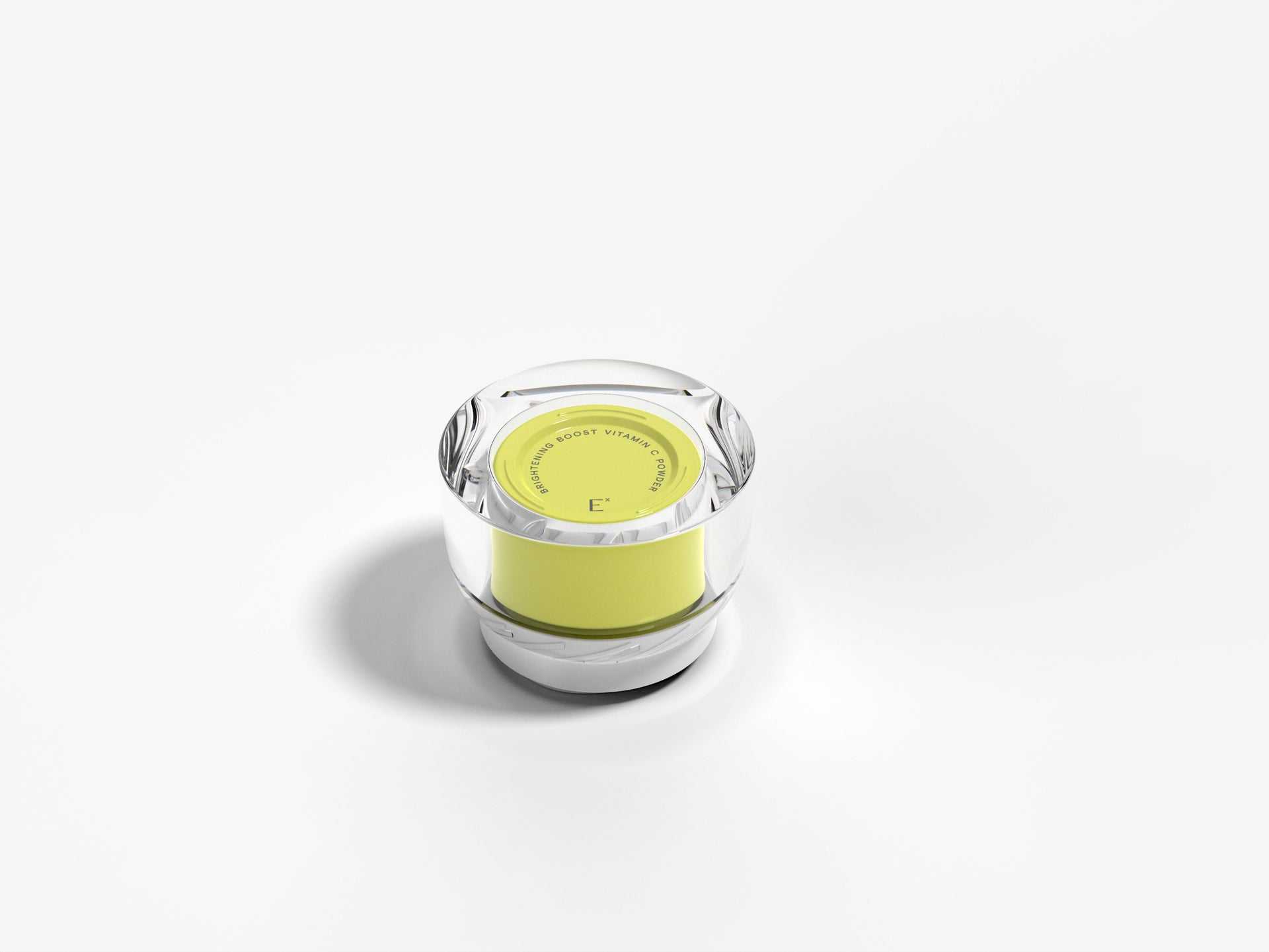
Yes—this is exactly why application order matters. UV exposure degrades L-ascorbic acid rapidly, which is why vitamin C should always be applied under SPF, never over it. It's also why formulation stability is critical: vitamin C is notoriously unstable and oxidizes quickly once mixed. Exponent Beauty's Brightening Boost is designed as a powder-plus-liquid system that you activate at the moment of use, ensuring full potency with every application—no degradation, no guesswork.
Can you use vitamin C serum in the morning?
Morning is actually the optimal time to use vitamin C serum. Applied before sunscreen, it primes your skin's antioxidant defenses ahead of daily UV exposure—providing a layer of cellular protection that SPF alone doesn't cover. Consistent morning use also supports collagen synthesis and reduces cumulative photoaging over time. For a routine that works: cleanse, apply Brightening Boost, moisturize, SPF.
Footnotes
-
Telang PS. Vitamin C in dermatology. Indian Dermatol Online J. 2013;4(2):143-6. Available at: https://www.ncbi.nlm.nih.gov/pmc/articles/PMC3673383/
-
Farris PK. Topical vitamin C: a useful agent for treating photoaging and other dermatologic conditions. Dermatol Surg. 2005;31(7 Pt 2):814-7. Available at: https://pubmed.ncbi.nlm.nih.gov/16029672/
-
Pullar JM, Carr AC, Vissers MCM. The Roles of Vitamin C in Skin Health. Nutrients. 2017;9(8):866. Available at: https://www.ncbi.nlm.nih.gov/pmc/articles/PMC5605218/
-
Darr D, Dunston S, Faust H, Pinnell S. Effectiveness of antioxidants (vitamin C and E) with and without sunscreens as topical photoprotectants. Acta Derm Venereol. 1996;76(4):264-8. Available at: https://pubmed.ncbi.nlm.nih.gov/8869680/
-
Lin FH, Lin JY, Gupta RD, et al. Ferulic acid stabilizes a solution of vitamins C and E and doubles its photoprotection of skin. J Invest Dermatol. 2005;125(4):826-32. Available at: https://pubmed.ncbi.nlm.nih.gov/16185284/
-
Lin JY, Selim MA, Shea CR, et al. UV photoprotection by combination topical antioxidants vitamin C and vitamin E. J Am Acad Dermatol. 2003;48(6):866-74. Available at: https://pubmed.ncbi.nlm.nih.gov/12789176/
-
Dreher F, Maibach H. Protective effects of topical antioxidants in humans. Curr Probl Dermatol. 2001;29:157-64. Available at: https://pubmed.ncbi.nlm.nih.gov/11225208/
-
Steenvoorden DP, van Henegouwen GM. The use of endogenous antioxidants to improve photoprotection. J Photochem Photobiol B. 1997;41(1-2):1-10. Available at: https://pubmed.ncbi.nlm.nih.gov/17134414/
Updated: 05/11/2026